The Strait of Hormuz closure marks a turning point in global energy markets. This waterway carries 20 million barrels of oil per day. Its effective closure on March 2, 2026, left hundreds of tankers stranded outside. Opportunities in the energy sector have multiplied rapidly as a result. Every industry that runs on energy now faces higher operating costs. This supply shock differs fundamentally from previous geopolitical crises.
Unlike past events, this crisis builds on a long-term constructive price base. Oil prices had already climbed from near $60 before the conflict began. They crossed $90 per barrel following the Strait’s effective closure. The conflict between Israel and Iran triggered joint strikes on February 28, 2026 (Operation Epic Fury). The resulting disruption has reshaped both oil prices and gas prices globally. Traders who understand these dynamics can now position themselves strategically.
The Strait of Hormuz: How the Crisis Unfolded
On February 28, 2026, joint strikes targeting Iran triggered a rapid sequence of events. By March 2, the Strait of Hormuz was effectively closed to tanker traffic. The closure cut daily oil transit from 20 million barrels per day to a mere trickle. This represents the most significant energy supply disruption in recent history. Hundreds of tankers remain stranded outside the waterway. Every day the closure continues, it amplifies pressure on global oil prices and gas prices.
Energy powers nearly every sector of the global economy. A disruption this large carries consequences far beyond oil markets alone. Food production, transportation, and manufacturing all face cascading cost increases. Historical market data and price projections have become unreliable under these conditions. If the closure lasts several months, oil prices could reach historic extremes. The opportunities in the energy sector grow proportionally with the duration of the disruption.
Timeline of Key Crisis Events
(Swipe left to view the full crisis timeline and specific market price shifts on mobile)
Oil Prices and Gas Prices: How Markets Are Responding
Oil prices climbed from near $60 before the conflict began. They have already crossed $90 per barrel after the Strait’s closure. Opportunities in the energy sector emerge directly from this dramatic price movement. Short-term dips in oil prices are bought aggressively by the market. This signals that traders expect higher prices to persist. The market has shifted from viewing this as a temporary spike to pricing in a prolonged disruption.
Gas prices follow oil prices closely in most global markets. Higher oil prices translate directly to higher fuel costs across the economy. The tight relationship between oil prices and gas prices makes energy the key variable for 2026. Airlines, shipping companies, and consumers all absorb these rising costs. Central banks now face growing inflationary pressure from elevated energy prices. If the closure extends beyond 60 days, economists warn of stagflation—rising inflation with stagnant growth.
Historical Oil Price Comparison — Geopolitical Crises
(Swipe left to view the full historical price comparisons and volatility durations on mobile)
Opportunities in the Energy Sector: Who Benefits
Higher oil prices directly boost the margins of US shale producers. Companies like ExxonMobil, Chevron, and EOG Resources stand to gain significantly. Opportunities in the energy sector begin with the major producers who control domestic supply. Defense contractors also benefit as military spending rises with geopolitical tension. Defense sector growth adds another investment layer beyond traditional oil and gas markets. War spending typically increases GDP, creating an additional economic stimulus effect.
The petrodollar system ties global oil trading to US dollar demand. This sustained demand reinforces the dollar’s position as the global reserve currency. Oil prices and gas prices denominated in dollars support long-term dollar strength. The conflict also increases volatility broadly across financial markets. Higher volatility creates more asymmetric risk/reward setups for active traders. Active traders find greater opportunities in the energy sector precisely when volatility surges.
Key beneficiary sectors and instruments:
- Long oil positions as a direct hedge or speculative play
- Energy sector ETF: XLE (broad exposure to major US energy companies)
- Oil Services ETF: OIH (benefits from increased drilling activity)
- Major Producers: ExxonMobil (XOM), Chevron (CVX), EOG Resources
- International Producers: Petrobras (PBR), Ecopetrol (EC)
- Fertilizer Companies: Nutrien (NTR), CF Industries (CF), Mosaic
- LNG Exporters: Venture Global LNG (VG)
- Uranium Plays: Cameco (CCJ), URNM ETF
Key Beneficiaries of Operation Epic Fury in the Energy Sector
(Swipe left to view the full sector drivers and risk-level assessments on mobile)
Prolonged Closure and $150 Oil — Scenario A
If the Strait remains closed for 60 or more days, WTI crude could reach $150 per barrel. Its current 52‑week high technical resistance sits near $120 per barrel. This scenario represents the largest opportunities in the energy sector in decades. US shale producers would see extraordinary profit margins at $150 oil. Energy ETFs like XLE would likely deliver outsized returns under these conditions. Long positions in major oil producers become the dominant trade under Scenario A.
Fertilizer companies present a compelling secondary opportunity under this scenario. Approximately 30% of the global potash supply transits the Strait of Hormuz. Disrupted fertilizer supply chains push Nutrien, CF Industries, and Mosaic significantly higher. LNG exporters benefit strongly as nations scramble for energy alternatives. Natural gas and LNG export volumes both rise as energy diversification accelerates. Venture Global LNG stands out as one of the most direct beneficiaries among gas exporters.
Price Targets and Investment Plays — Prolonged Closure and $150 Oil
(Swipe left to view the full price targets and catalyst justifications on mobile)
Diplomatic Resolution and Market Correction — Scenario B:
A ceasefire or partial Strait reopening would trigger a sharp oil price correction. Oil prices could retreat rapidly to the $70–$75 per barrel range. Scenario B removes the primary catalyst driving opportunities in the energy sector. Technology and growth stocks would benefit immediately from lower energy costs. Airlines and transportation companies would see significant cost relief under this scenario. Traders holding energy positions must prepare for a rapid reversal if diplomatic signals emerge.
The recommended approach is to watch for key diplomatic headlines. A partial reopening announcement would be the clearest signal to reduce energy exposure. Oil prices and gas prices will reprice instantly when diplomatic progress becomes credible. Hedging with energy protects against sudden downside moves. Holding dry powder in reserve allows traders to shift positioning when Scenario B unfolds. Flexibility and speed are the critical edges when geopolitical conditions change suddenly.
Prolonged Closure vs. Diplomatic Resolution
(Swipe left to view the full bull/bear risk scenarios and watch-signals on mobile)
WTI Crude Oil Prices: Key Technical Levels to Watch
Technical analysis remains useful even amid geopolitical complexity. Key price levels act as magnets for market activity in any environment. Oil prices and gas prices respond predictably to high-volume technical zones even during crises. The $85–$88 per barrel support zone is the most critical level to monitor. A sustained hold above this zone confirms the bullish Scenario A thesis. A break below $85 WTI would signal weakening momentum and a potential shift toward Scenario B.
Resistance levels above current prices tell the market’s directional story. The $105–$110 zone marks the previous Russia–Ukraine conflict peak. Breaking above $119.48—the recent all-time high—would signal a truly historic oil price rally. The $150–$160 zone is the projected target if the Strait stays closed 60+ days. The $175–$180 level represents an extreme stress scenario beyond current base expectations. Trading the opportunities in the energy sector requires anchoring all decisions to these technical levels.
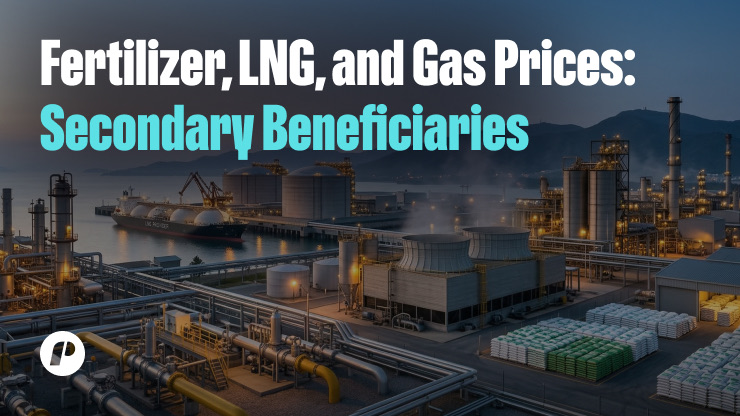
Fertilizer, LNG, and Gas Prices: Secondary Beneficiaries
The Strait of Hormuz carries approximately one-third of the global seaborne fertilizer trade. A critical commodity that the agricultural market depends on. A prolonged closure creates one of the most compelling opportunities in the energy and commodity sector. Nutrien, CF Industries, and Mosaic stand out as the primary fertilizer beneficiaries. These companies gain from both higher input scarcity and elevated fertilizer prices globally. Food production disruptions add social and political urgency to resolving the supply crisis.
LNG exporters benefit as nations urgently seek alternatives to Middle Eastern energy. Gas prices for LNG rise as import demand from Europe and Asia accelerates. Venture Global LNG is positioned directly in the path of this demand surge. Nations that relied on Persian Gulf gas now must source supplies from other regions. This structural demand shift supports elevated gas prices well beyond the immediate crisis period. LNG infrastructure investment accelerates globally as energy security becomes a national priority.
Trading Strategy and Risk Management
Every trade in this volatile environment requires a defined stop-loss level. Define the exit point before entering any energy or commodity position. Emotional responses—averaging down, freezing, or panic exiting—destroy trading accounts in volatile markets. Successful traders treat losses as an unavoidable cost of doing business. The key discipline is focusing forward on new profit rather than recovering old losses. Risk management discipline separates traders who survive volatile markets from those who do not.
Position sizing is the most critical variable during volatile geopolitical periods. Reducing size during losing streaks preserves capital for better setups. The opportunities in the energy sector reward disciplined traders who maintain strict risk limits. A maximum daily loss limit equal to the daily profit target provides structural balance. This rule prevents catastrophic drawdowns during headline-driven oil price swings. Volatility creates opportunity, but only for traders who carefully manage their exposure.

Conclusion: Positioning for Both Scenarios
The Strait of Hormuz closure represents a structural shift in global energy markets. Oil prices have already moved from $60 to above $90 per barrel. The scale of opportunities in the energy sector ahead depends entirely on how long the closure persists. Two clear scenarios guide every strategic decision traders make right now. Prolonged closure strongly favors energy producers, fertilizer companies, and LNG exporters. A diplomatic resolution changes the trade entirely—reversing oil price gains and favoring tech stocks.
*This is not financial advice.* If the conflict continues, one of the clearest trades is to stay long in the energy sector, particularly through ETFs like XLE. Major producers like ExxonMobil, Petrobras, and Ecopetrol offer strong direct exposure. Monitoring the $85–$88 WTI support zone provides the clearest real-time signal for oil prices and gas prices. Traders must stay adaptable as the geopolitical news cycle evolves rapidly. Keep hedges and reserve capital ready to shift positioning as either scenario develops. Trade what the market shows, not what headlines suggest, and discipline wins in volatile environments. A longer conflict is generally a tailwind for well-capitalized domestic oil producers, but the quality of the company matters more than the conflict itself.
If you liked this post make sure to share it!